Explore East Africa
Our Destinations
Discover the breathtaking landscapes, incredible wildlife, and rich cultures of Rwanda, Tanzania, and Uganda.
Discover the breathtaking landscapes, incredible wildlife, and rich cultures of Rwanda, Tanzania, and Uganda.
The Land of a Thousand Hills.
A landlocked highland country of rolling hills, volcanic peaks, rainforest, savanna, and Lakes.
About 14 million people. Kinyarwanda, English, French, and Swahili are official languages.
Kigali International Airport is the main gateway; road transfers connect the city with parks and lakes.
Rwandan franc (RWF); cards are accepted in many hotels, while cash is useful locally.
Enjoy mild highland temperatures year-round. The best times to visit are the drier months (June to August and January to February), while March to May brings the long rains and September to December brings the short rains.
Many visitors can obtain a visa on arrival; check current entry rules for your nationality before travel.
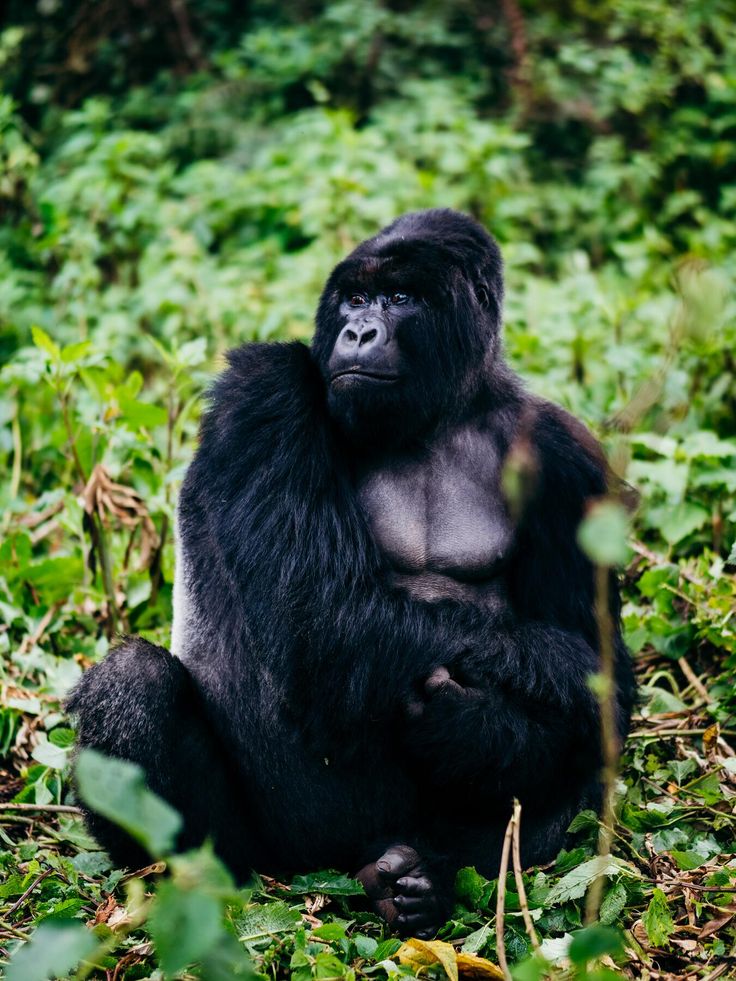
World-famous for thrilling mountain gorilla trekking experiences.
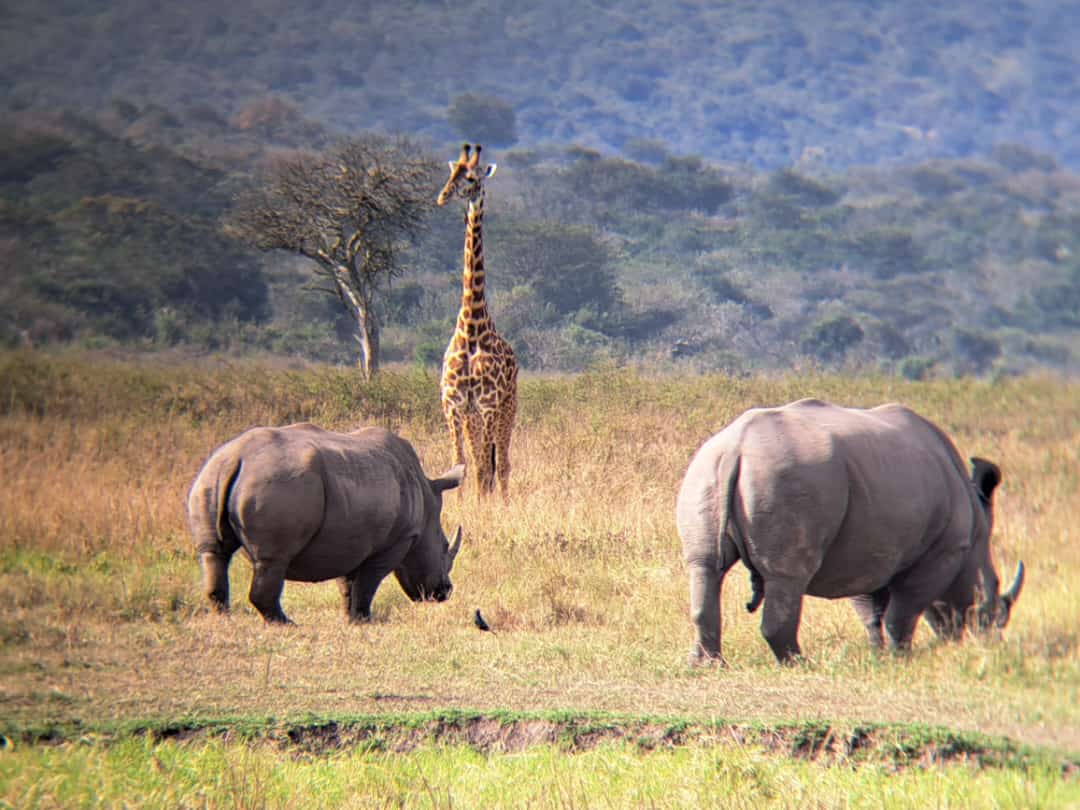
Rwanda's Big Five destination featuring stunning savanna and wetland lakes.
Ancient rainforest home to chimpanzees, primates, and an iconic canopy walk and zipline experience.
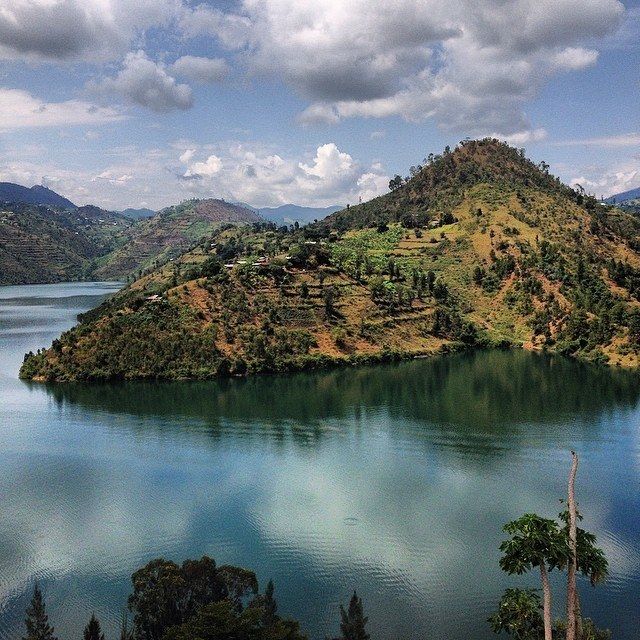
One of Africa's Great Lakes, perfect for relaxing and water sports.
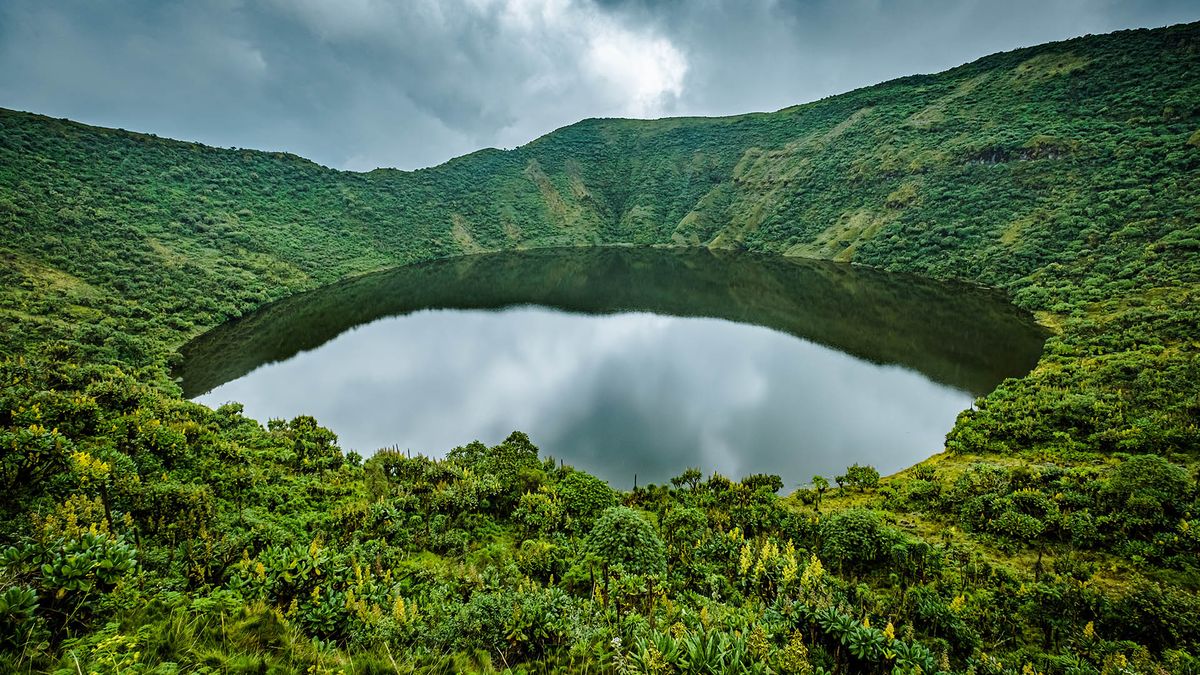
A thrilling climb to a beautiful crater lake at the summit of this dormant volcano.
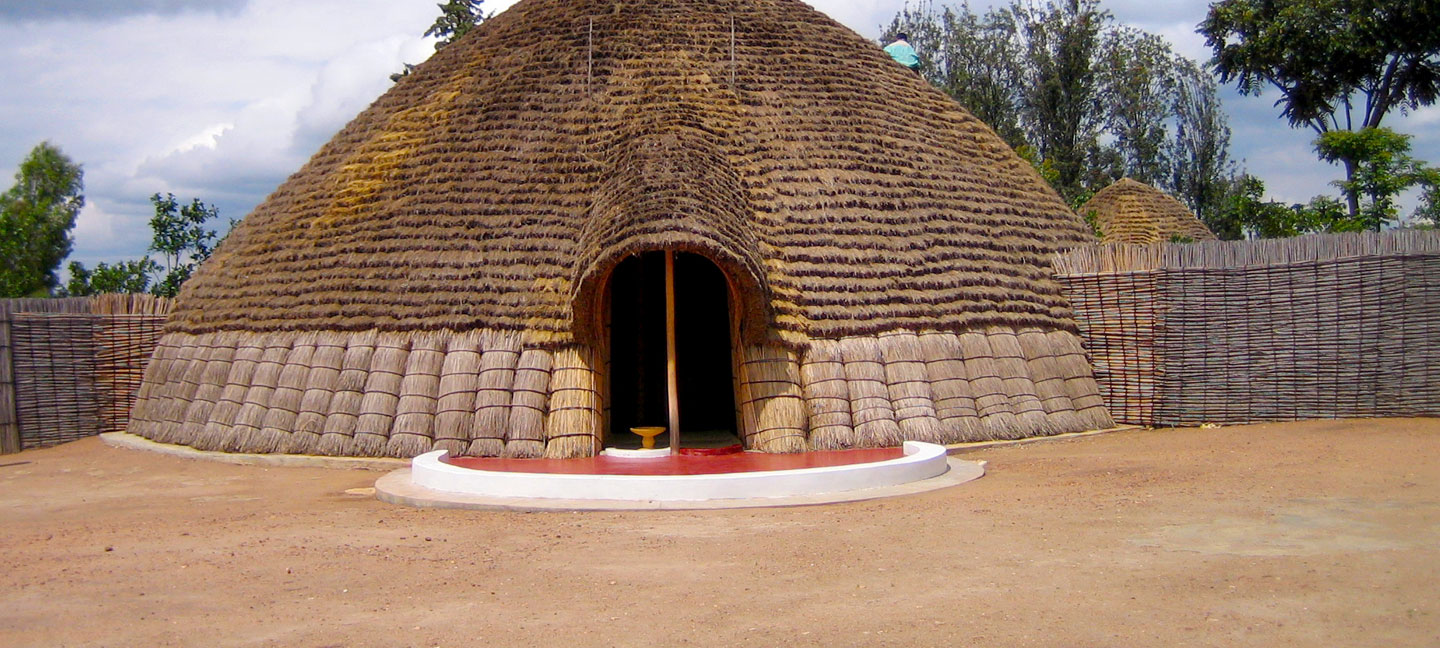
Traditional royal residence featuring the famous Inyambo cattle.
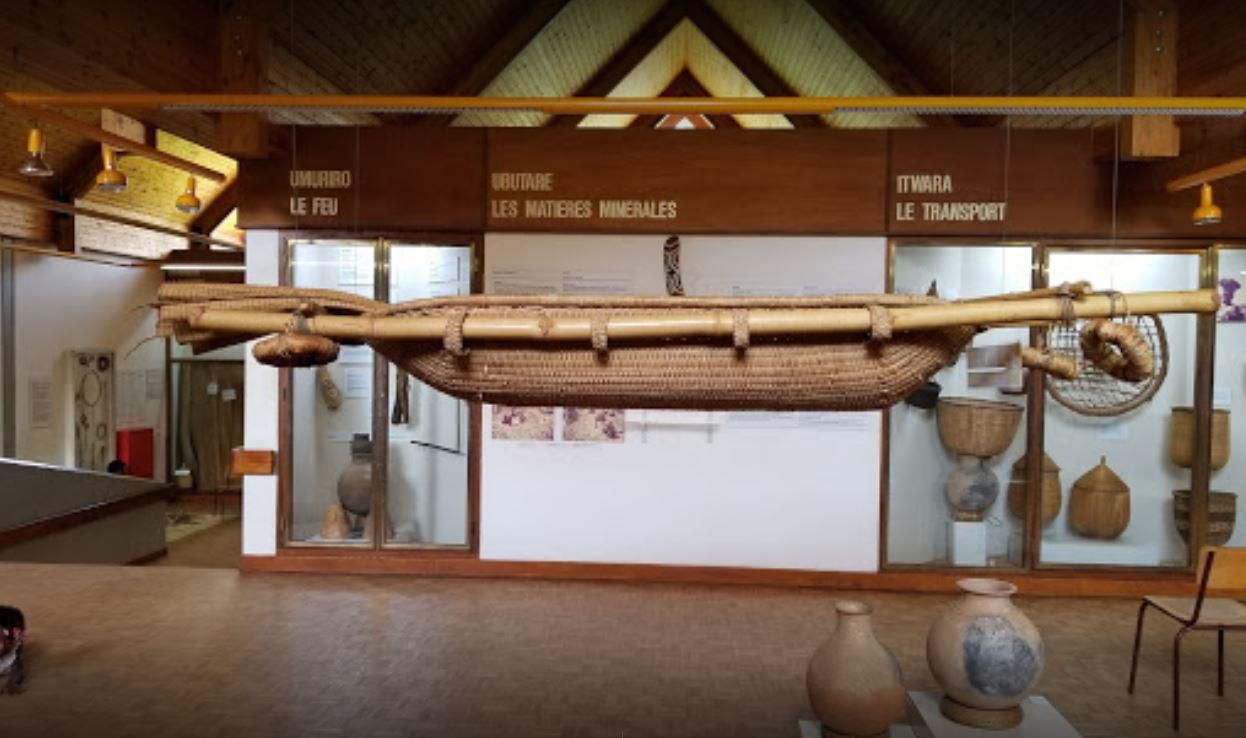
One of Africa's finest collections of pre-colonial cultural artifacts.
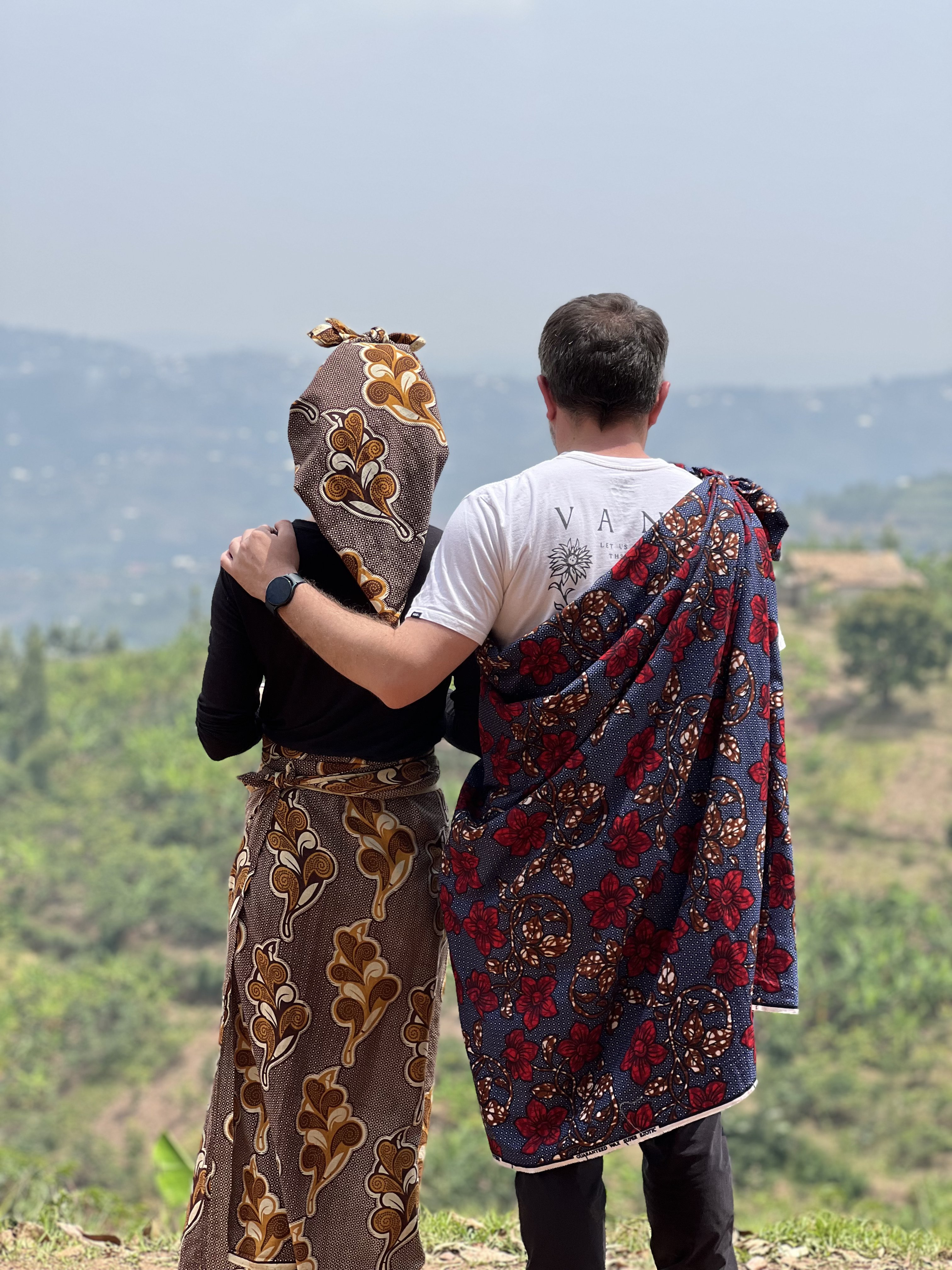
Immerse yourself in local culture through authentic village visits and activities.
Visa rules depend on nationality. Many travelers can get a visa on arrival; confirm requirements with official Rwandan immigration sources before departure.
Rwanda's standard international visitor gorilla permit is currently $1,500 per person. Fees can change, so verify with the Rwanda Development Board before booking.
The drier periods, typically June to September and December to February, are popular for trekking and wildlife viewing.
Rwanda is widely visited by tourists. Use normal precautions and check current travel advisories; follow park and guide instructions during activities.
Endless plains and majestic peaks.
Vast savannas, the Great Rift Valley, Mount Kilimanjaro, large lakes, and an Indian Ocean coastline including Zanzibar.
About 67 million people. Kiswahili is the national language; English is also used in tourism and business.
Flights connect Kigali with Tanzanian gateways; regional connections and domestic flights reach the parks and Zanzibar.
Tanzanian shilling (TZS); US dollars are also accepted by many tourism businesses.
The northern safari circuit is generally best in the drier months of June to October; the coast is warm year-round.
Many visitors require a visa, available online or on arrival for eligible nationalities; confirm the latest rules before travel.
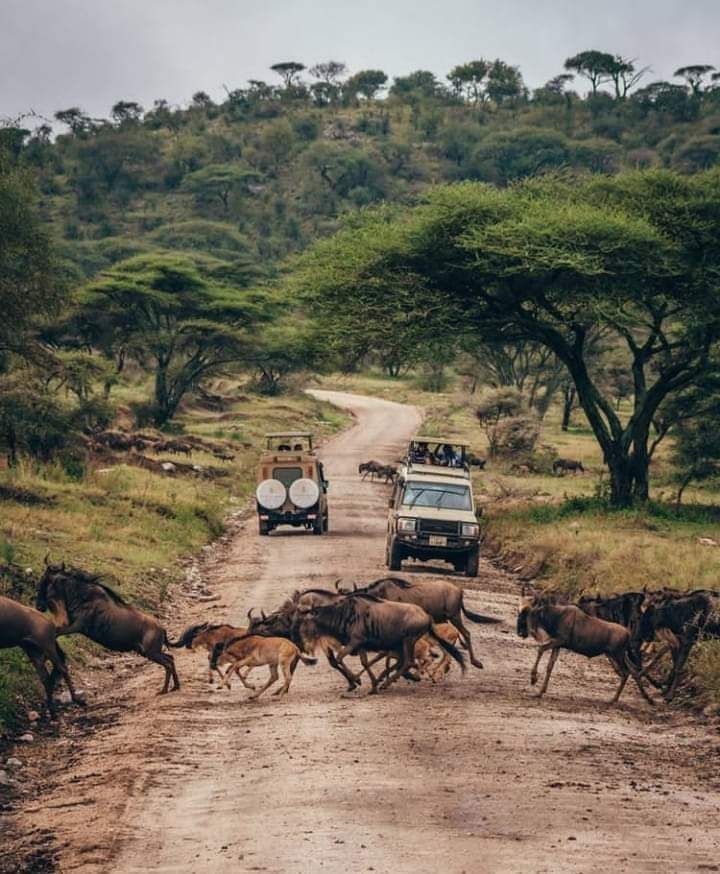
World-famous for its annual wildebeest migration and vast savanna plains.
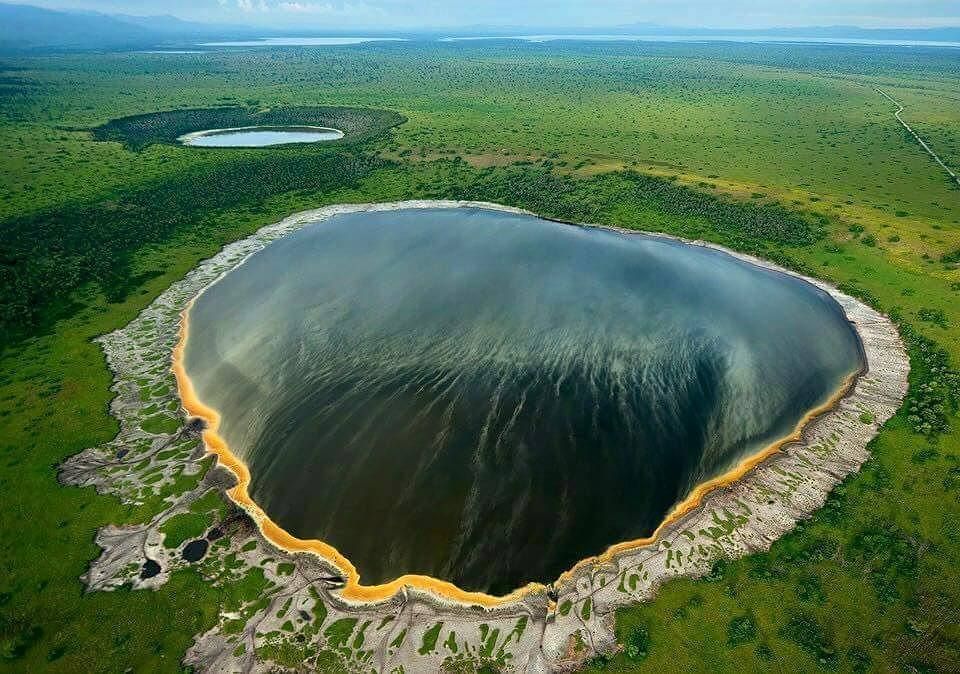
A stunning volcanic caldera harboring one of the highest wildlife densities.
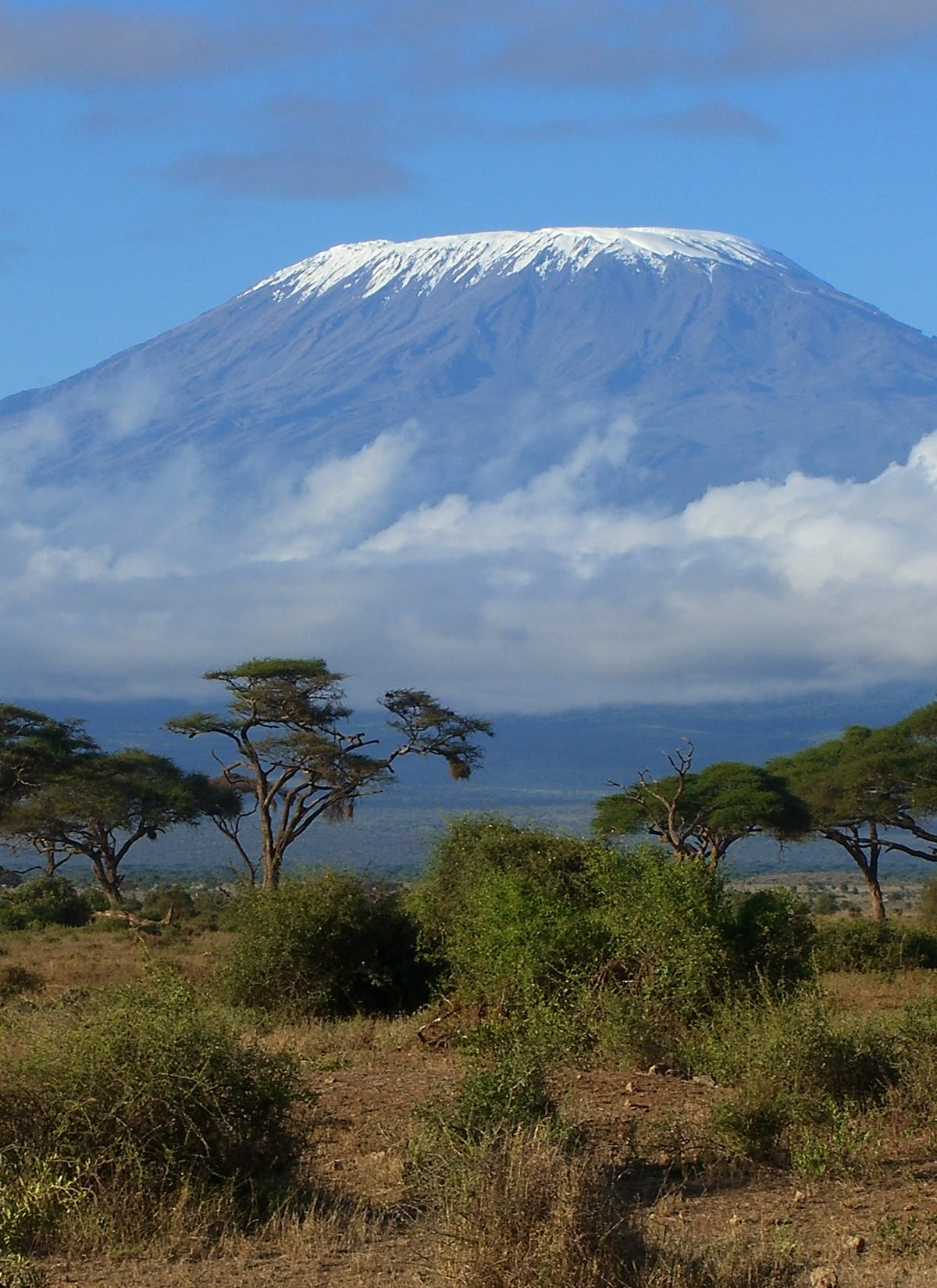
The iconic snow-capped peak of Africa, offering world-class trekking.
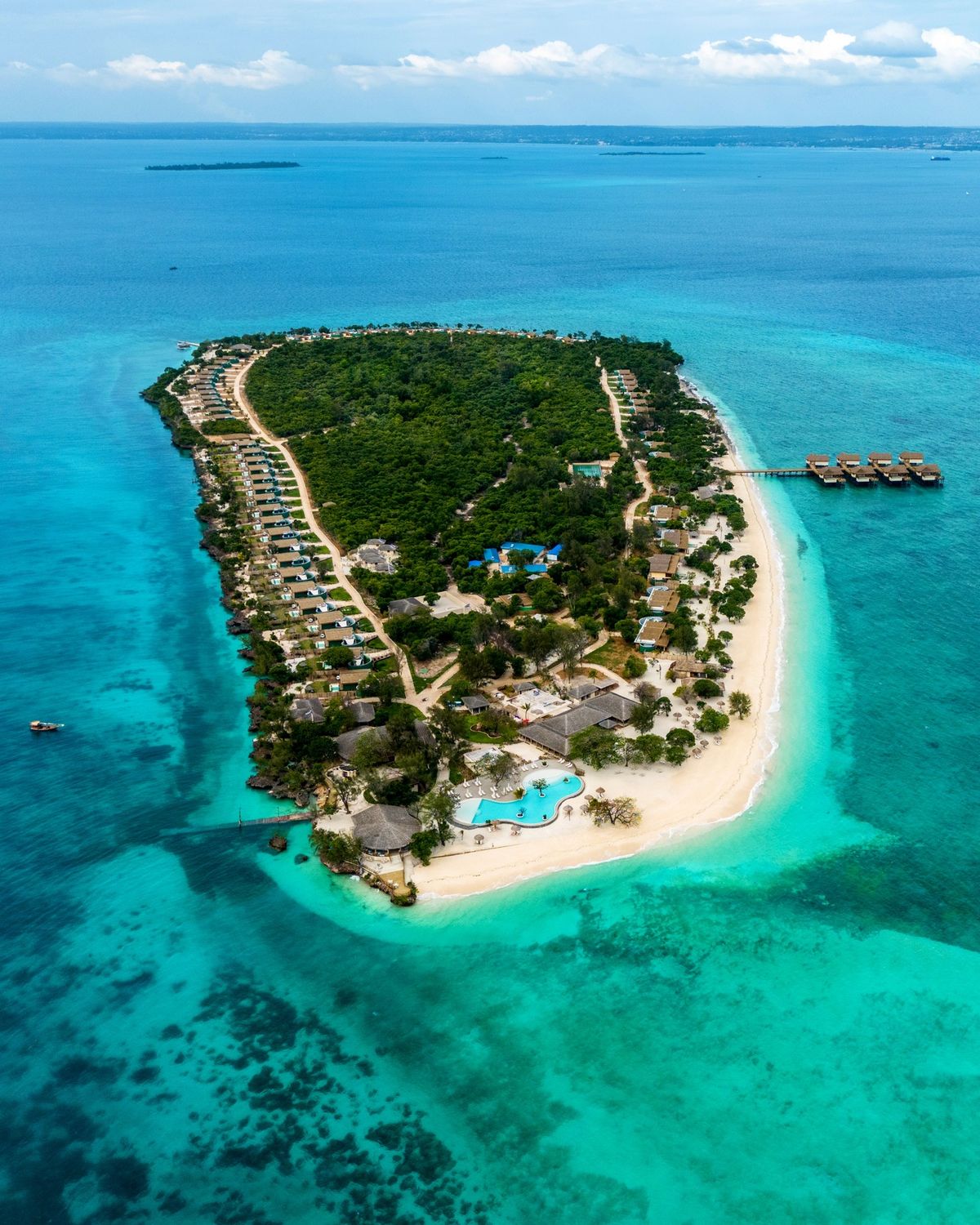
Exotic spice island with white-sand beaches and historic Stone Town.
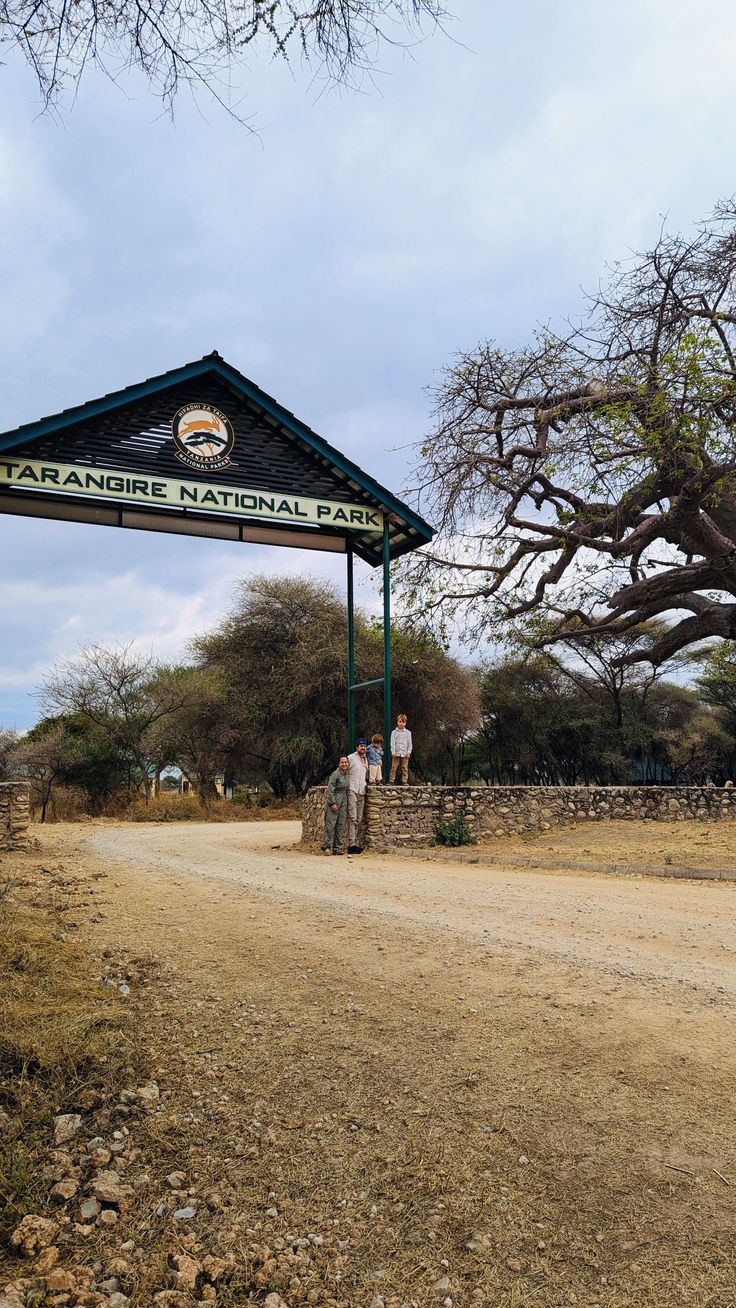
Famous for its ancient baobab trees and massive elephant populations.
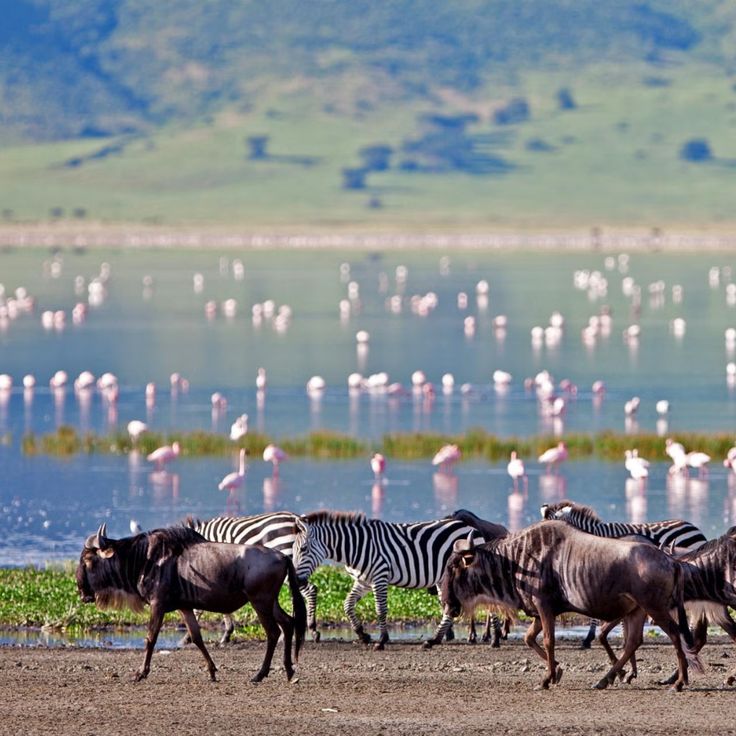
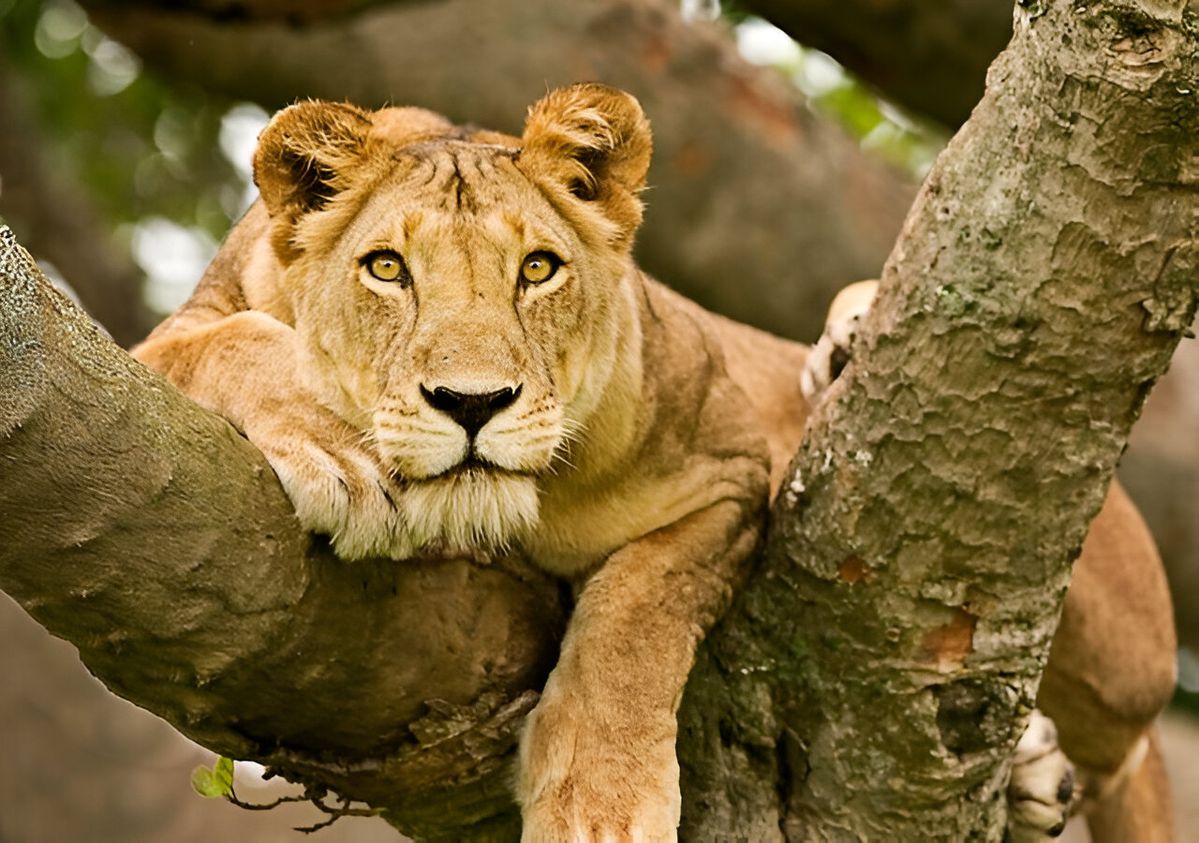
Diverse habitats featuring tree-climbing lions and flamingo-filled waters.
Visa requirements depend on nationality. Many visitors can apply for an eVisa, while some are eligible for visas on arrival; verify official guidance before departure.
Yes. Domestic flights connect the northern safari circuit with Zanzibar, making a wildlife-and-beach itinerary practical with enough days.
January to early March and June to October are popular, relatively drier climbing periods. Weather varies, and no season guarantees clear conditions.
Many visitors travel safely with established operators. Check current travel advisories, use normal precautions, and follow your guide’s instructions.
The Pearl of Africa.
A landlocked country of Lake Victoria shores, savannas, rainforests, the Nile, and the Rwenzori Mountains.
About 49 million people. English and Swahili are official languages; Luganda and many other languages are spoken.
Daily road transfers cross into southwestern Uganda; flights and road connections also serve Entebbe and Kampala.
Ugandan shilling (UGX); carry cash for rural areas, as card acceptance is more limited outside cities.
Equatorial but moderated by altitude; June to September and December to February are generally drier for trekking.
Most visitors need a visa, commonly applied for online before arrival. Check current official immigration guidance.
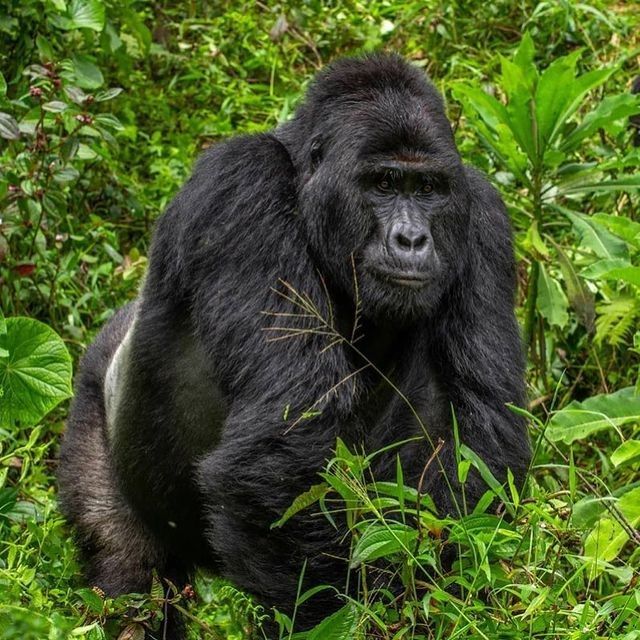
A mist-covered ancient forest harboring almost half the world's mountain gorillas.
Diverse ecosystems featuring tree-climbing lions and the Kazinga Channel.
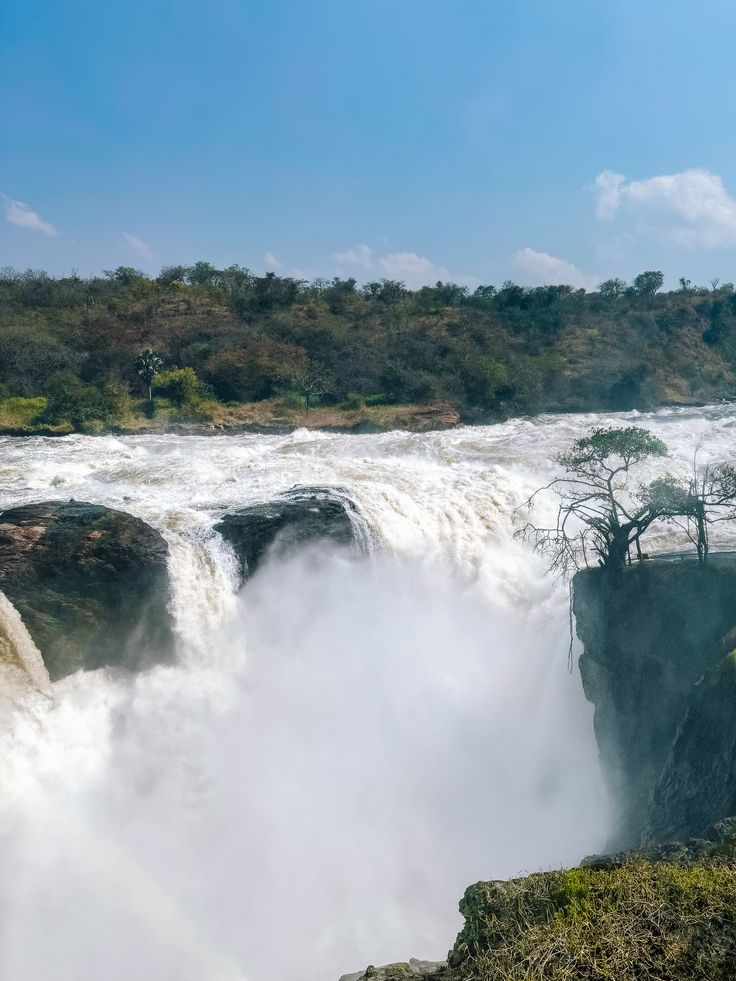
Where the mighty Nile River forces its way through a narrow gorge with thunderous power.
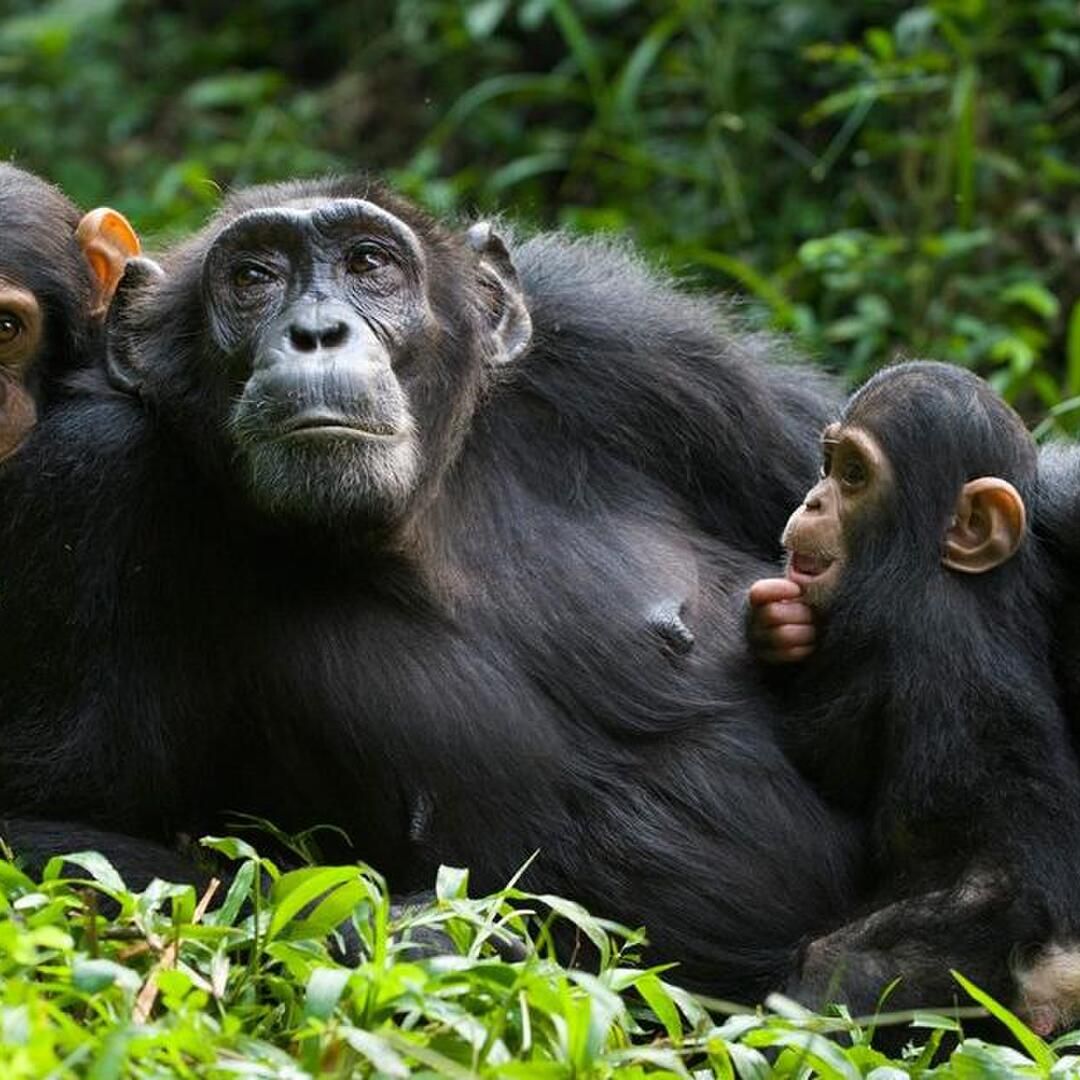
The primate capital of the world, offering incredible chimpanzee tracking experiences.
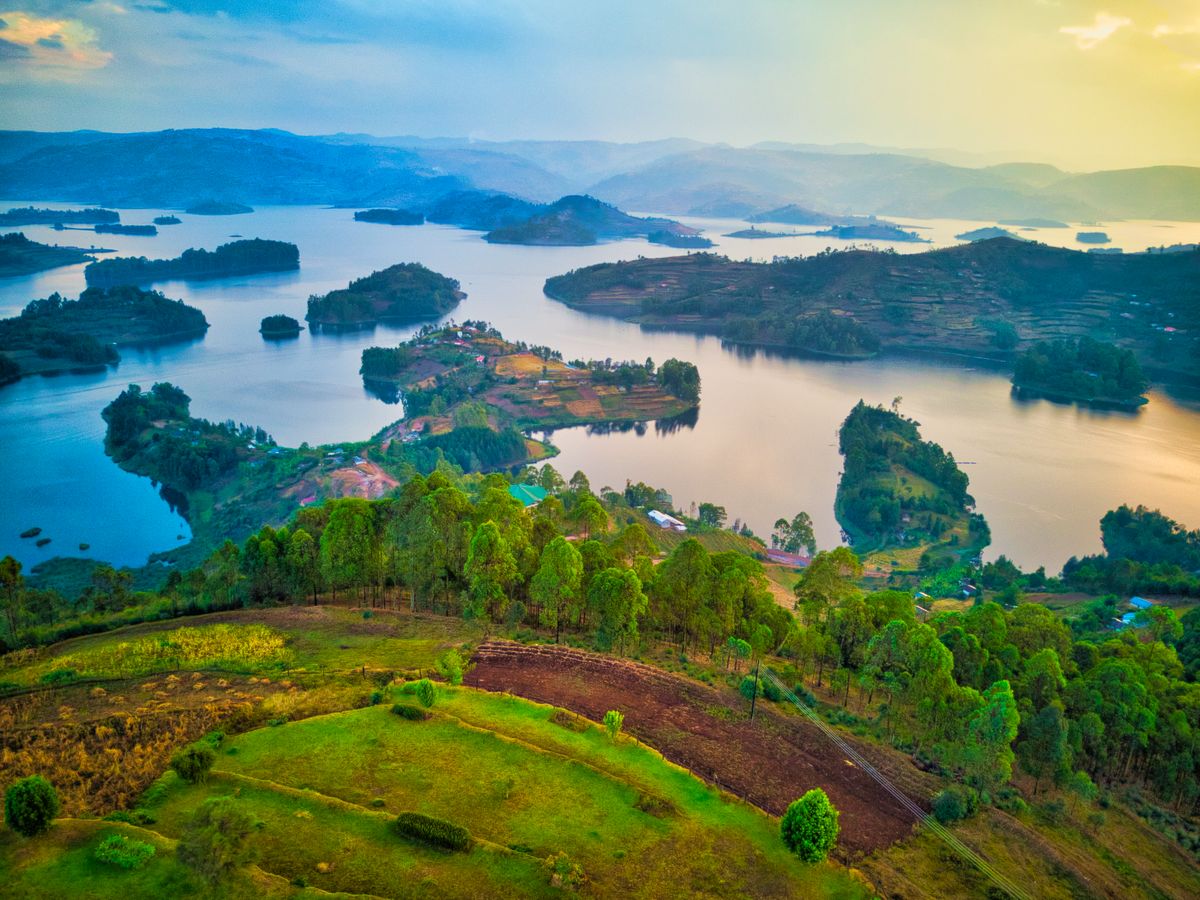
A serene, island-dotted lake perfect for canoeing and cultural discovery.
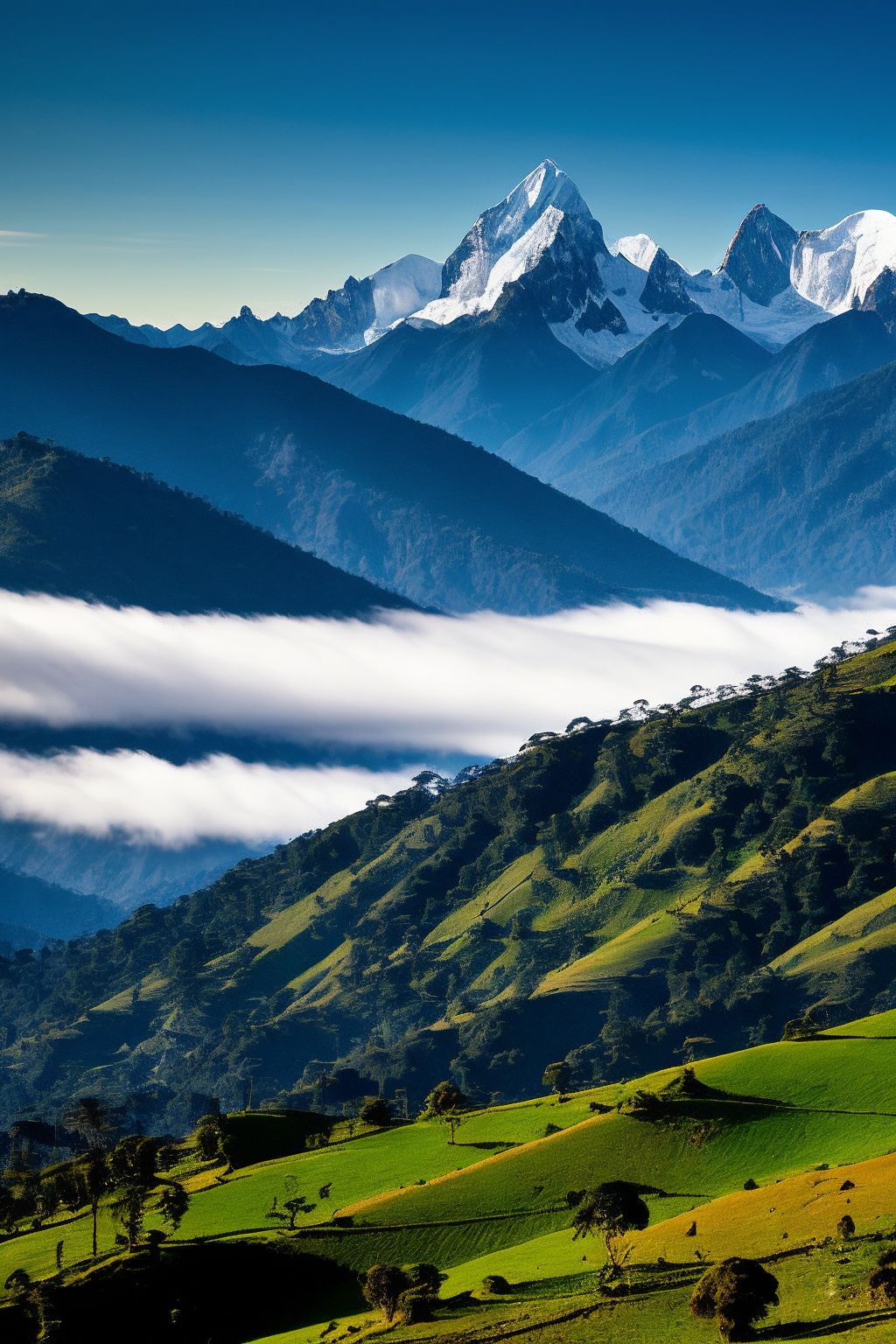
The legendary "Mountains of the Moon", offering spectacular alpine scenery and trekking.
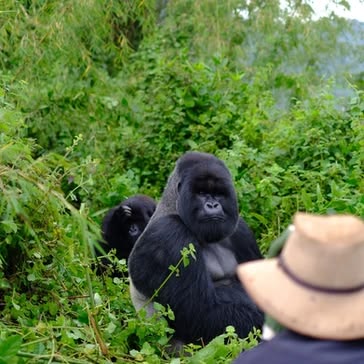
Part of the Virunga volcanoes, home to gorillas and the rare golden monkeys.
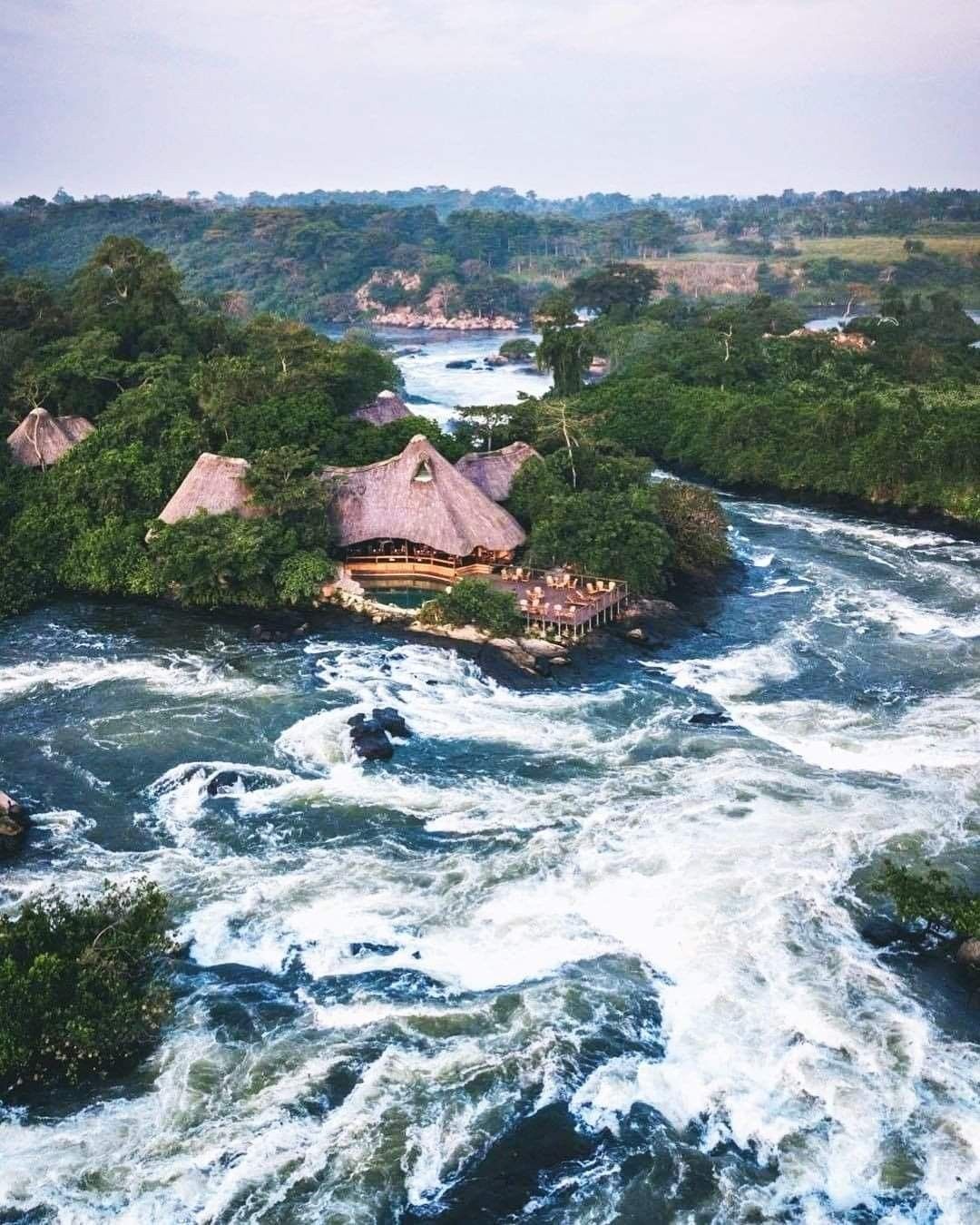
Adventure capital of East Africa and the historic Source of the mighty Nile River.
Most visitors need a visa, which is generally applied for online before travel. Check current eligibility and entry rules with Uganda’s official immigration service.
The standard foreign non-resident permit is currently $800 per person. Rates can change and differ by visitor category; confirm with the Uganda Wildlife Authority.
The drier periods, typically June to September and December to February, are popular for trekking, though Bwindi is a rainforest and rain can occur year-round.
Uganda offers several trekking sectors, dense forest settings, and broader wildlife circuits; Rwanda is often easier to reach from Kigali with shorter transfers. Permit costs and terrain differ.